
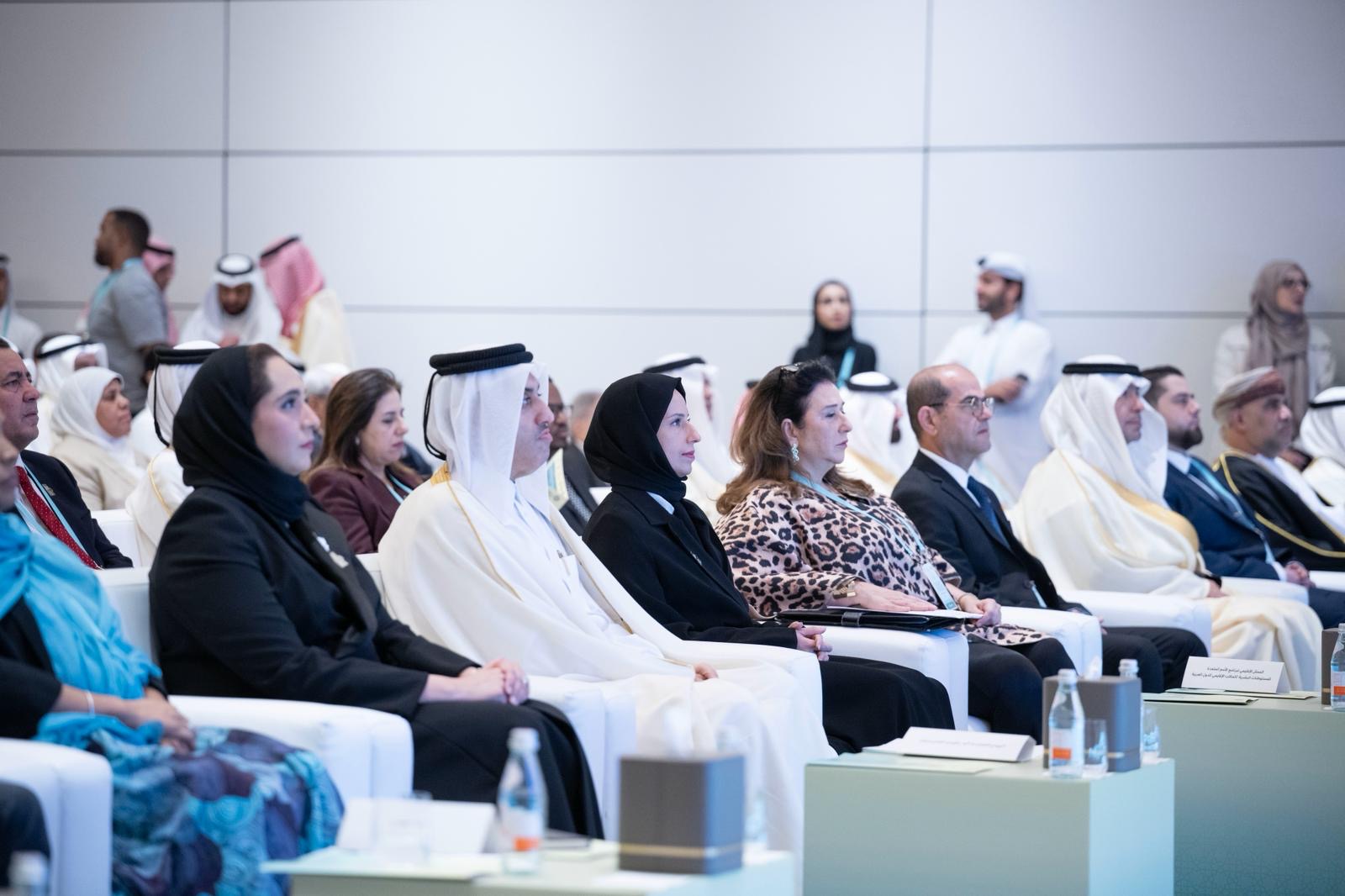
MSDF Minister: Qatar Prioritizes Urban Development Amid Rapid Arab Population Growth
Under the patronage of His Excellency Sheikh Mohammed bin Abdulrahman bin Jassim Al Thani, Prime Minister and Minister of Foreign Affairs, the Sixth Arab Ministerial Forum on Housing and Sustainable Urban Development 2025 commenced today in Doha under the theme: "Urban Sustainability... For Future Generations."
In her opening keynote, Her Excellency Buthaina bint Ali Al Jabr Al Nuaimi, Minister of MSDF, emphasized that the State of Qatar places the highest priority on developing the urban environment, raising the quality of life, and achieving the desired well-being for its citizens. This is being accomplished through the modernization of urban policies, the development of community services, and the enhancement of infrastructure efficiency and sustainability to keep pace with the needs of citizens and promote the prosperity of residential communities.
Her Excellency stated that MSDF focuses specifically on enhancing levels of urban resilience, providing diverse housing options that suit the varying needs of citizens, and striving to improve service quality while aligning urban planning with the future of smart cities and digital transformations. She noted that these efforts are part of the endeavor to achieve the goals of Qatar National Vision 2030 in social, economic, and urban development.
The Minister of MSDF further noted that the Arab world is witnessing increasing urban growth and an expansion in population needs, alongside challenges related to infrastructure, housing costs, climate change, and environmental sustainability. She pointed out that these challenges can only be faced through long-term urban planning that takes into account social, economic, and urban dimensions, and is based on cooperation between governments, the private sector, and civil society.
It has become necessary today to invest in the rehabilitation of cities, improve the operational efficiency of services, develop urban legislation, and create attractive urban environments capable of achieving a balance between growth and sustainable development. Her Excellency stressed that this forum has become a pivotal platform for exchanging expertise and distinguished experiences at the Arab level, affirming that the importance of this platform lies in its ability to bring together experts, decision-makers, and international organizations to build genuine partnerships.
The future of housing in the Arab region depends primarily on the ability to develop flexible and participatory policies, adopt innovative solutions, and invest in data and digital transformation in city management. The Minister expressed hope that the forum’s discussions would crystallize new, applicable trends for Arab cities, marking today's meeting as a practical step toward formulating a shared Arab vision capable of addressing housing and urban development challenges.
H.E. Dr. Ali bin Ibrahim Al-Malki, Assistant Secretary-General for Economic Affairs at the League of Arab States, confirmed that Doha’s hosting of the forum clearly underscores the Qatari leadership's commitment to supporting housing issues. He noted that the event aligns with the Global Sustainable Development Plan 2030, particularly Goal 11, which focuses on making cities and human settlements inclusive, safe, resilient, and sustainable.
Dr. Al-Malki highlighted that housing issues are no longer isolated from the path of development, noting that the shift toward smart housing has become a fundamental pillar for creating an urban environment capable of absorbing population growth and managing resources efficiently. He stressed that providing adequate housing remains a cornerstone for achieving social justice and called for new approaches to reconstruction based on flexibility and resilience.
In a related context, he touched upon the complex regional circumstances, specifically the tragedy of the Palestinian people and the destruction in the Gaza Strip. He expressed hope for the continuous and unconditional entry of humanitarian aid to the people of Gaza, calling it a moral and humanitarian responsibility of the international community. He emphasized that localizing sustainable development goals means effectively adapting them to local needs, including disaster response and increasing resilience.
Ms. Rania Hedeya, Regional Director of the UN-Habitat Regional Office for Arab States, reaffirmed the office's commitment to supporting Arab efforts. She noted that adequate housing is the primary entry point for stability and social integration, a principle reinforced by the political declaration of the Second World Summit for Social Development recently hosted in Doha. This summit established the concept of adequate housing as a fundamental social right and a social infrastructure that supports health, education, and employment.
Ms. Hedeya pointed out that the Arab region’s population doubled over the last three decades to reach approximately 500 million in 2023, representing about 6% of the world's population, with expectations to reach one billion by 2060. Despite these challenges, she noted that Arab countries have made significant progress in implementing the 2030 Sustainable Development Plan, particularly regarding the safety and sustainability of human settlements.
More News
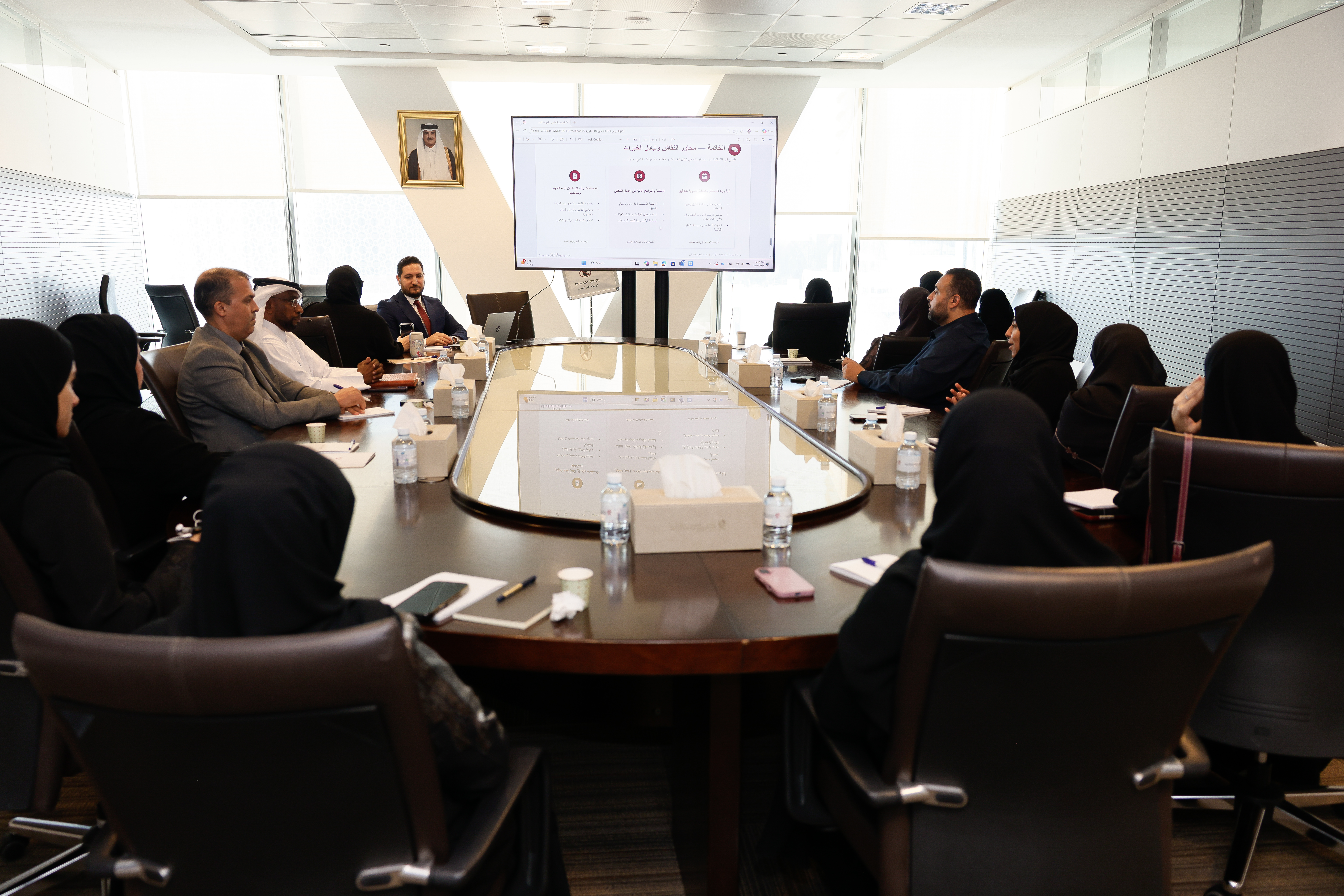
As part of efforts to strengthen cooperation and the exchange of expertise among government institutions, the Ministry of Social Development and Family (MSDF), represented by the Internal Audit Department, organized a workshop with the Katara Cultural Village Foundation to exchange expertise and transfer knowledge in the field of internal auditing. The workshop was held on October 7 at the Ministry's headquarters.
Read more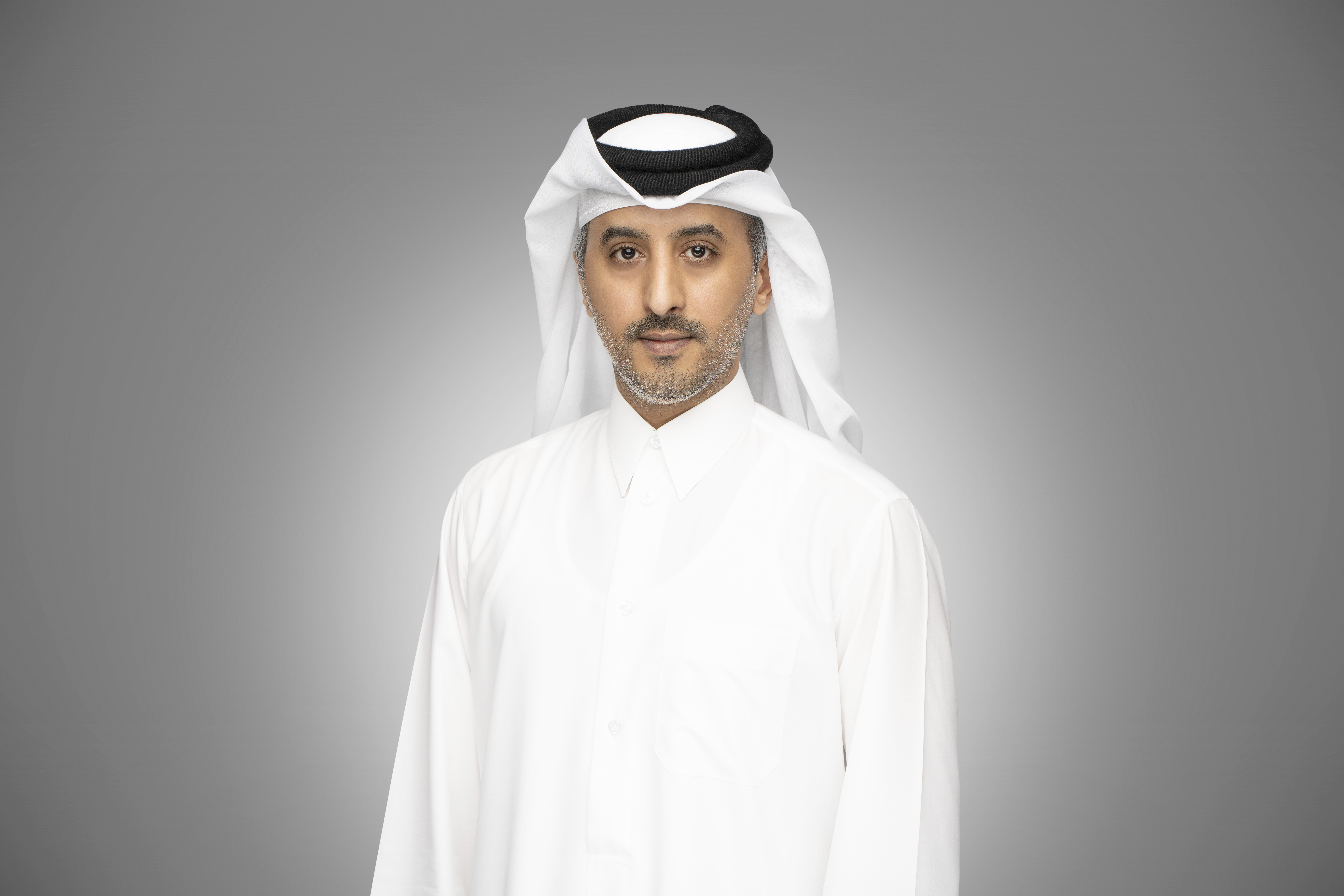
The Ministry of Social Development and Family (MSDF) has launched the e-platform for managing associations and private institutions, as part of its efforts to keep pace with Qatar's digital transformation, enhance user experience and develop the services provided to associations and private institutions registered under Decree-Law No. (21) of 2020 on Associations and Private Institutions. The platform facilitates access to information and services and reflects the Ministry's commitment to providing advanced digital services that meet the needs of all segments of society.
Read more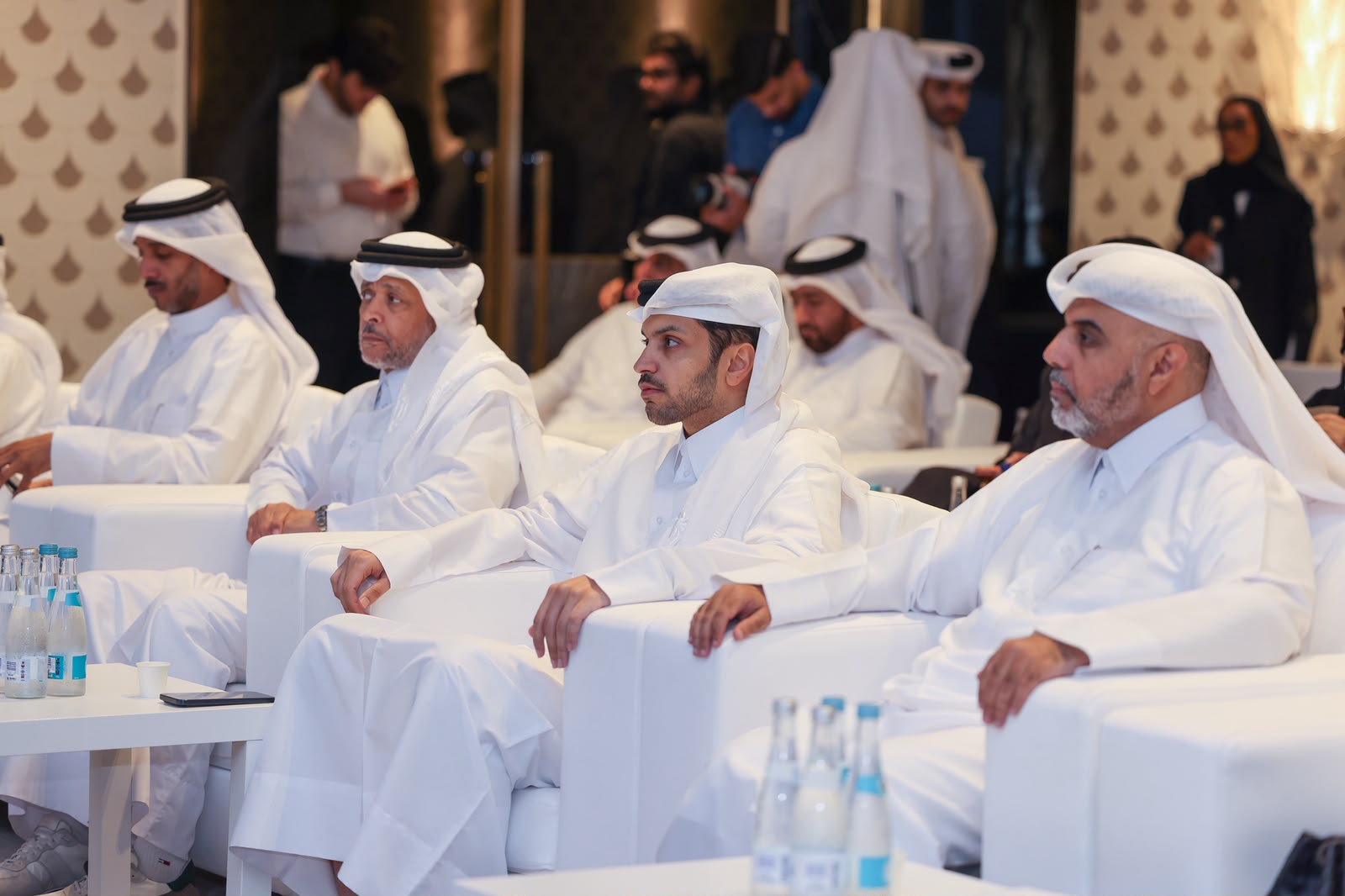
The Ministry of Social Development and Family (MSDF) organized the Third National Forum for Social Workers in the State of Qatar on October 5 and 6, 2026, under the theme "Professional Responsibility and Social Impact." The forum was held under the patronage of H.E. Mrs. Buthaina bint Ali Al Jabr Al Nuaimi, MSDF Minister, with the participation of a select group of experts, specialists and social workers.
Read more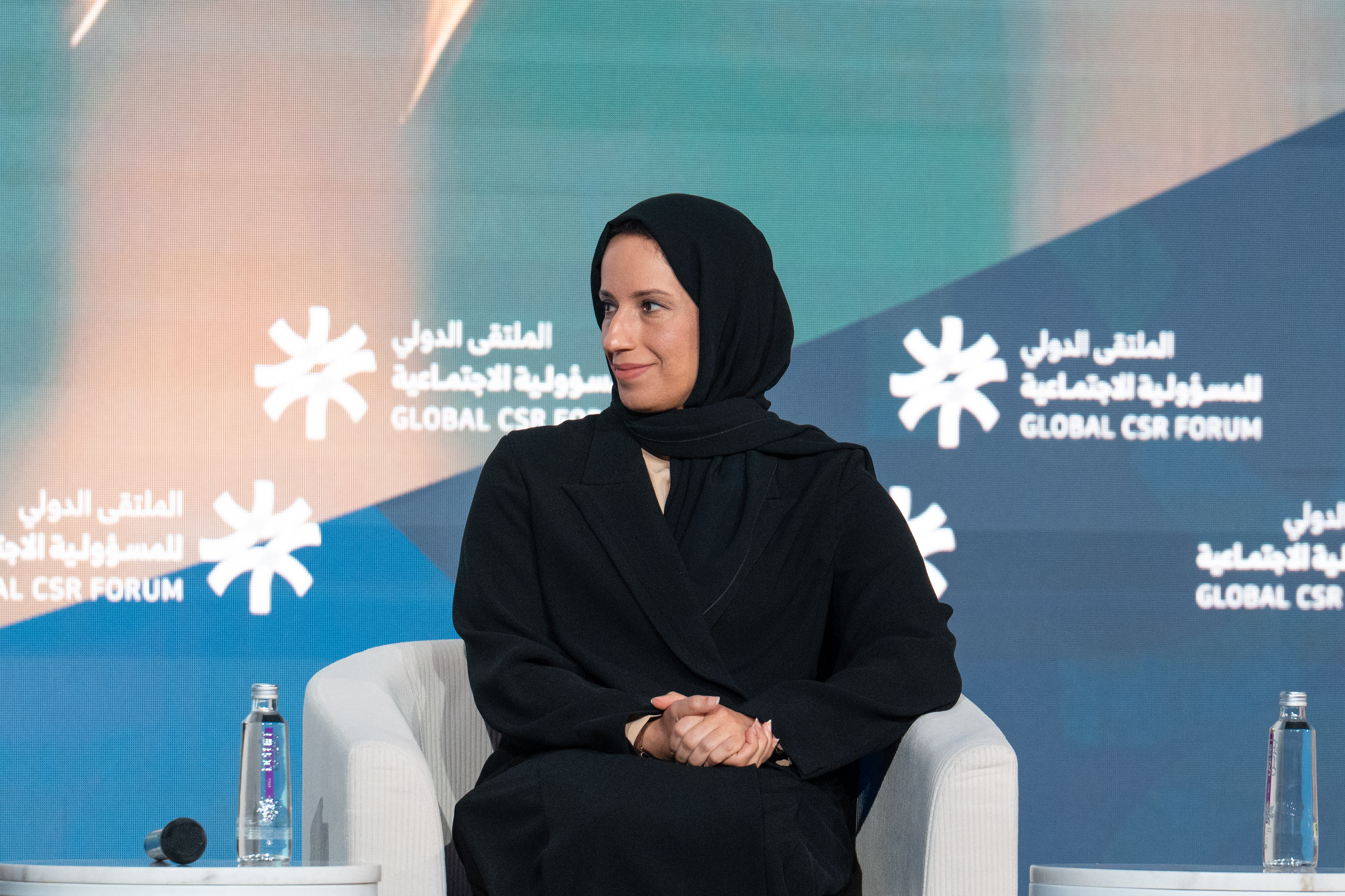
H.E. Mrs. Buthaina bint Ali Al Jabr Al Nuaimi, Minister of Social Development and Family (MSDF Minister), participated in the second edition of the Global CSR Forum, held in Riyadh under the theme "From Commitment to Impact," with the participation of a number of ministers, officials, experts and specialists in the field of corporate social responsibility (CSR).
Read more