
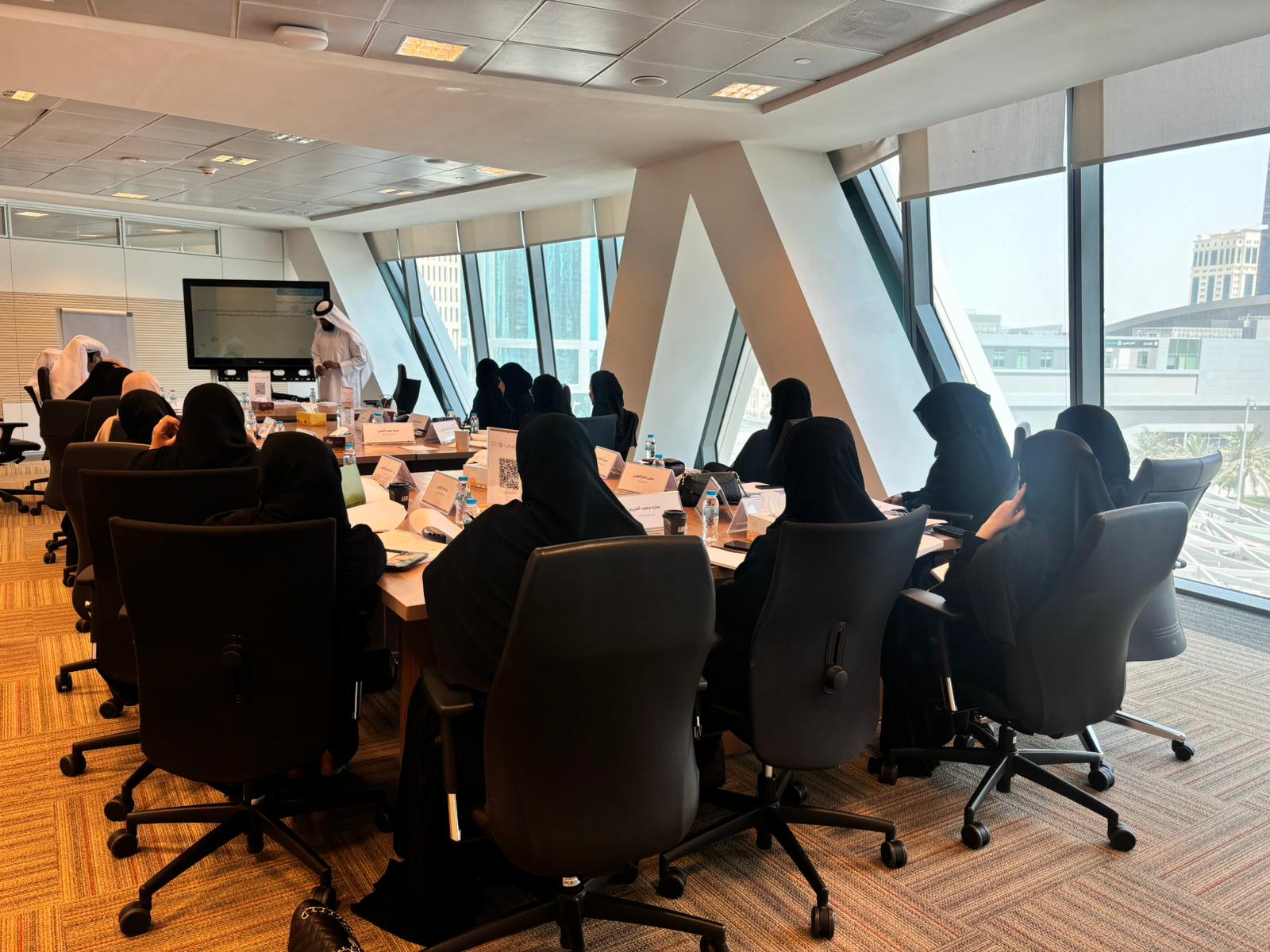
MSDF develops planning skills of its employees
The Ministry of Social Development and Family, represented by the Human Resources Department’s Training and Development Section, in cooperation with Bait Al Hikma, has organised a training course entitled “The Art of Planning at Work.”
With the participation of 14 MSDF employees, the event was held from July 7 to 11.
An expert and trainer in the field of strategic and operational planning at Bait Al Hikma Eng Ahmed Abdullah presented the workshop.
It aimed to enable administrators and supervisors to master strategic and tactical planning skills, and to provide them with effective tools and techniques to improve their performance.
The training course covered several topics, including the concept of planning and its importance in the work environment, types of planning, basic principles in planning, successful planning methods, and effective planning tools.
Regarding the importance of the workshop, Eng Ahmed Abdullah said: “The art of planning is an essential element in achieving success, whether at the level of individuals or institutions. The planning helps set goals and developing the strategies for channelising resources and efforts towards achieving the desired results.”
He said that the art of planning at work course is of great importance to the trainees for developing their skills and knowledge in multiple ways.
“One of the main benefits of the course is the development of skills, as the course helps trainees acquire new skills and improve their skills, which increases their efficiency and productivity at work,” said Abdullah.
He said the course provides an opportunity to learn new and up-to-date information in the fields planning, which enhances the trainees’ knowledge and enables them to follow developments in this field.
“The course also helps trainees to get better job opportunities. By obtaining training certificates, trainees can get better job opportunities or promotion in their current jobs,” said Abdullah.
The Training and Development Section of Human Resources Department at MSDF is responsible for identifying the training needs of employees in coordination with the various administrative units, following up on their implementation and evaluating the benefit from them.
The engagement process organised by the section also aims to develop employees in the administrative field to improve their creativity and skills at work.
Training courses contribute to providing employees with the knowledge and experience necessary to develop their abilities and skills, train and develop them to improve their job performance, and learn new information.
More News
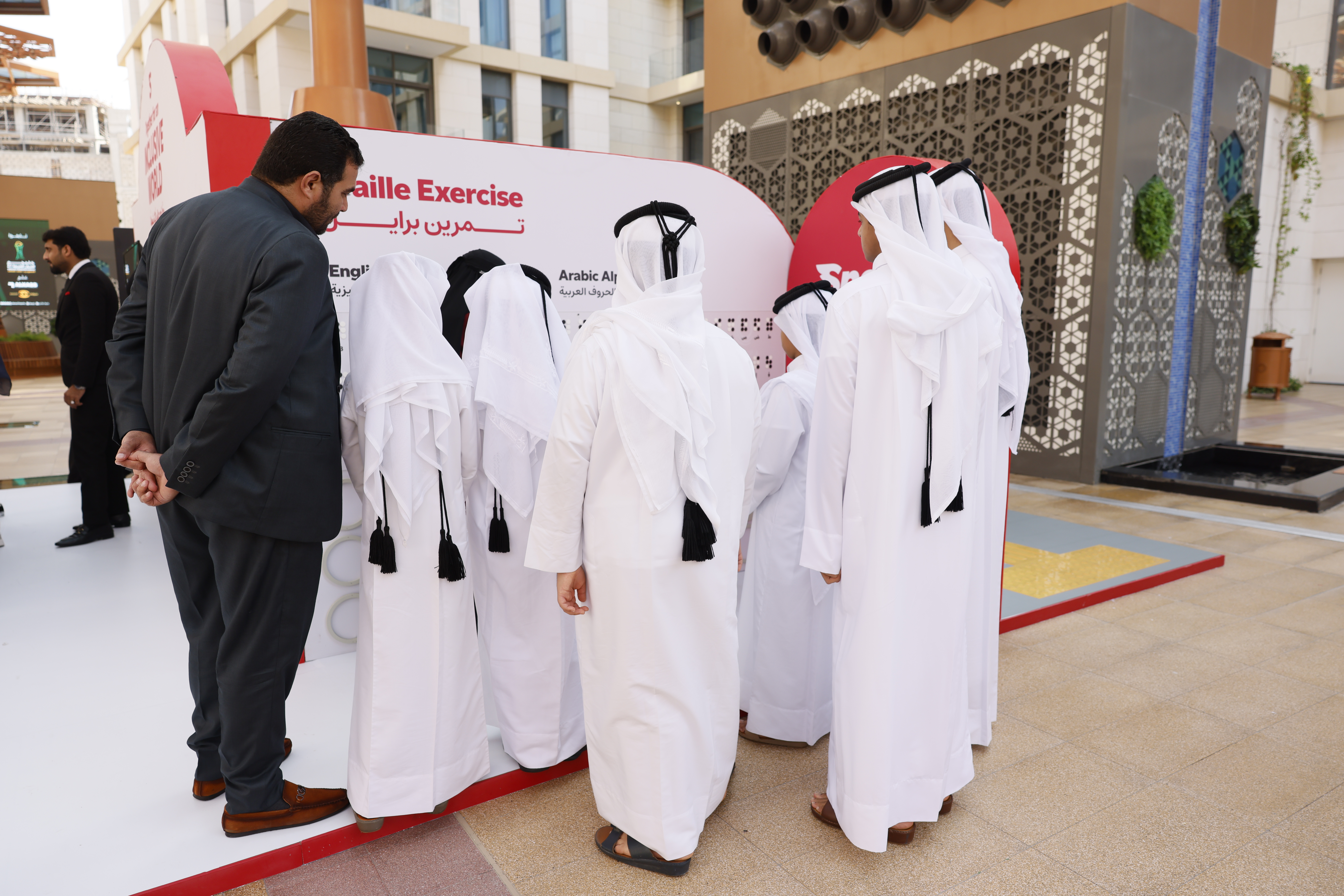
DOHA: On the occasion of World White Cane Day, celebrated globally on October 15, the Ministry of Social Development and Family (MSDF), through its Community Care Department and in partnership with the Al Noor Center for the Blind, organized an awareness trip titled "Journey to the Light" on October 8, 2026, at Gewan Island.
Read more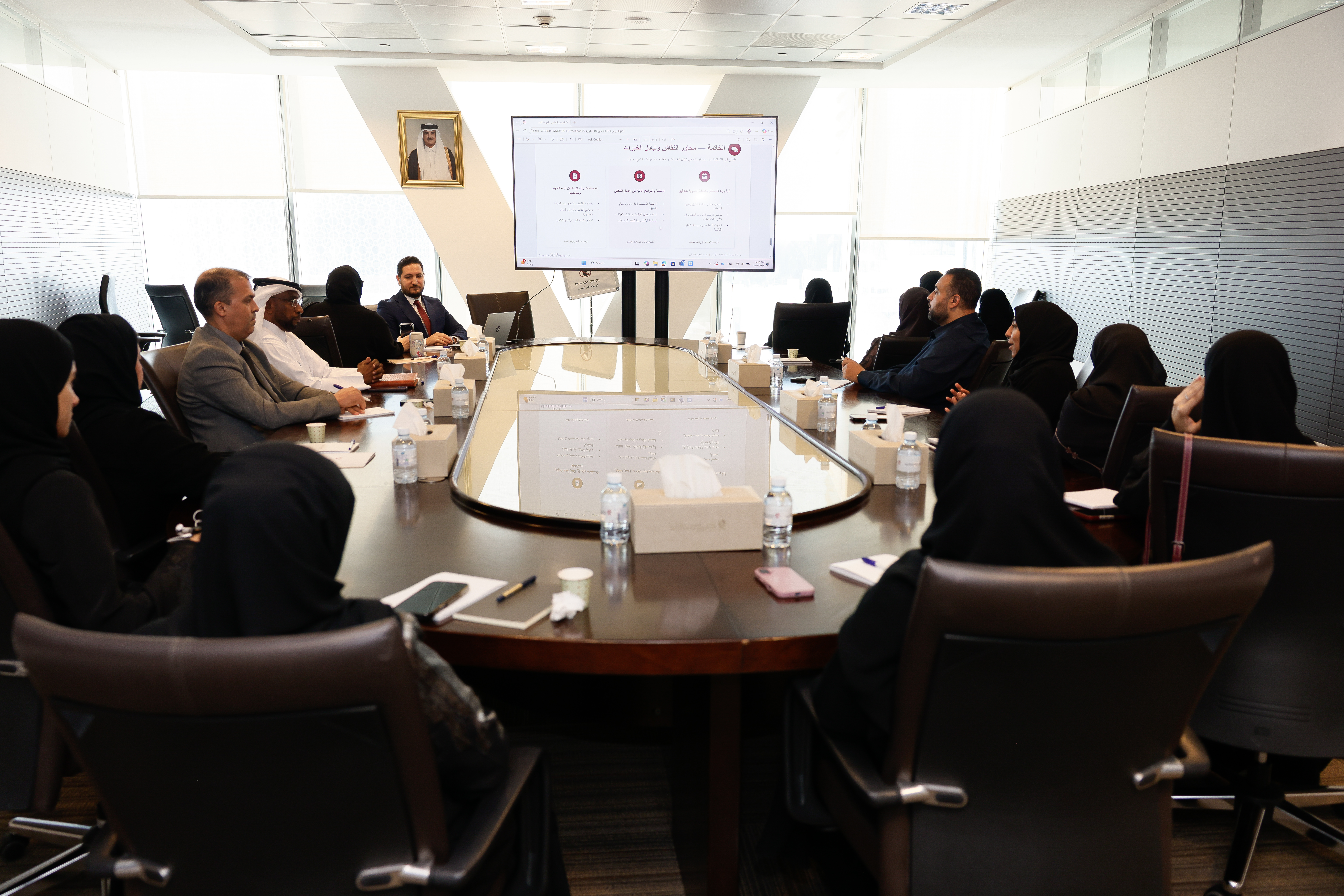
As part of efforts to strengthen cooperation and the exchange of expertise among government institutions, the Ministry of Social Development and Family (MSDF), represented by the Internal Audit Department, organized a workshop with the Katara Cultural Village Foundation to exchange expertise and transfer knowledge in the field of internal auditing. The workshop was held on October 7 at the Ministry's headquarters.
Read more
The Ministry of Social Development and Family (MSDF) has launched the e-platform for managing associations and private institutions, as part of its efforts to keep pace with Qatar's digital transformation, enhance user experience and develop the services provided to associations and private institutions registered under Decree-Law No. (21) of 2020 on Associations and Private Institutions. The platform facilitates access to information and services and reflects the Ministry's commitment to providing advanced digital services that meet the needs of all segments of society.
Read more
The Ministry of Social Development and Family (MSDF) organized the Third National Forum for Social Workers in the State of Qatar on October 5 and 6, 2026, under the theme "Professional Responsibility and Social Impact." The forum was held under the patronage of H.E. Mrs. Buthaina bint Ali Al Jabr Al Nuaimi, MSDF Minister, with the participation of a select group of experts, specialists and social workers.
Read more