
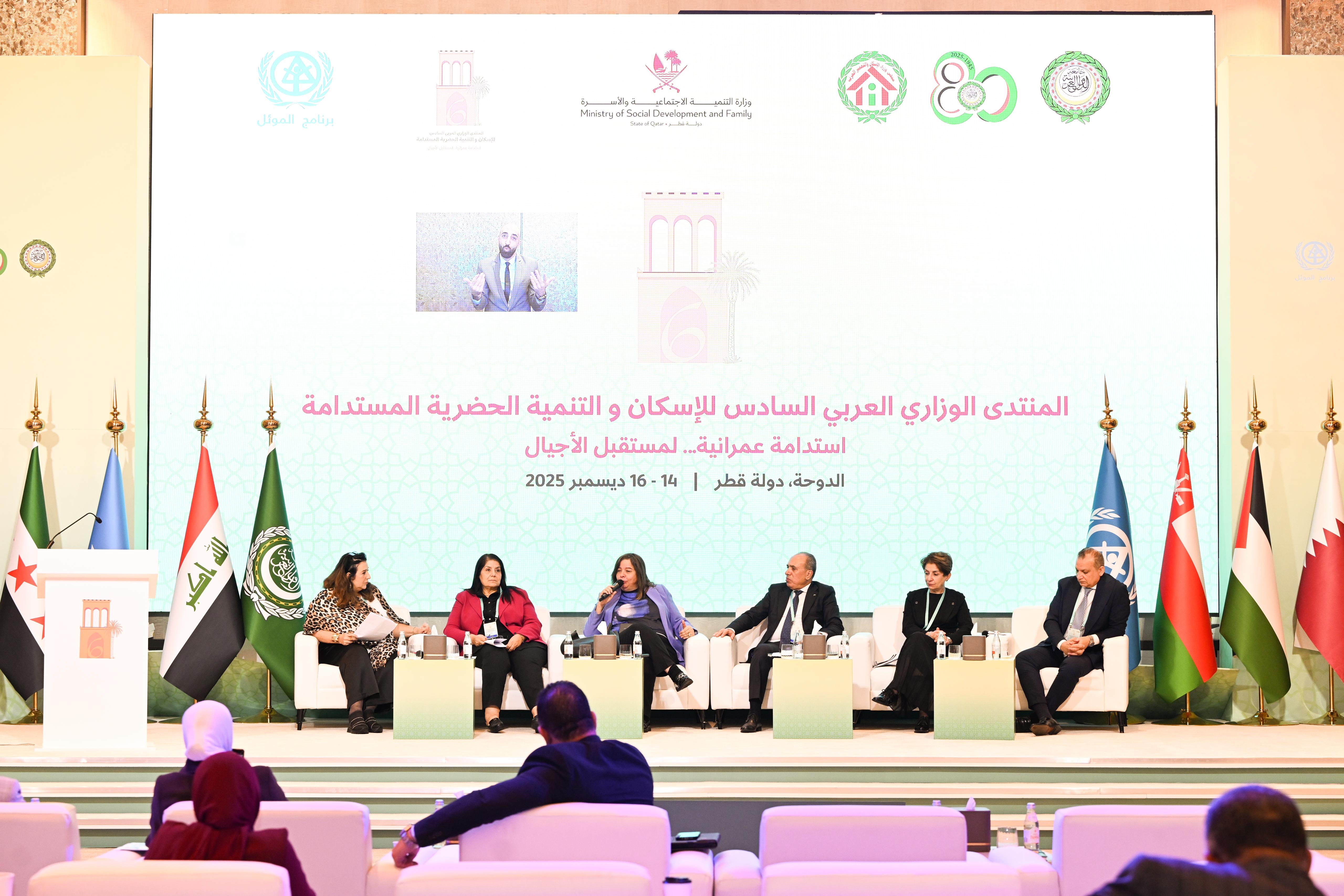
Sixth Arab Ministerial Forum on Housing Concludes with the Adoption of the 'Doha Declaration'
The Sixth Arab Ministerial Forum on Housing and Sustainable Urban Development concluded its activities with the issuance of the "Doha Declaration." The declaration outlines a comprehensive set of recommendations aimed at strengthening national housing strategies and fostering community participation in urban planning processes.
The Doha Declaration calls for the modernization of comprehensive national population strategies and policies that are inclusive of all social groups and implementable across Arab states. It emphasizes the need to enhance smart urban and housing data collection systems, as well as the establishment of national and local urban observatories to generate reliable data.
Sustainable Growth and Innovative Financing
The declaration highlights the necessity of adopting an integrated approach to urban and regional planning. It stresses the importance of linking housing policies with urban planning, land use, transportation, infrastructure, and logistics to promote sustainable growth. Furthermore, it urges the acceleration of innovative financing solutions for housing and urban development, including Public-Private Partnerships (PPP) and increased investment in smart housing technologies.
Crisis Recovery and Reconstruction
A significant portion of the declaration focuses on supporting sustainable and resilient reconstruction efforts in countries affected by crises. It emphasizes:
- Strengthening local administration and decentralization to empower municipalities in achieving Sustainable Development Goals (SDGs).
- Enhancing community participation in the planning process.
- Developing risk management and early warning systems.
- Encouraging the exchange of technical expertise between Arab nations.
The Doha Declaration calls upon Arab donor organizations to support recovery and reconstruction efforts in countries impacted by aggression, conflict, and crises. It also urges the international community to provide humanitarian and developmental support to all conflict- and disaster-affected nations, including aid for refugees and displaced persons in Arab countries in accordance with international law.
International Cooperation and Future Milestones
The declaration encourages Arab states to submit voluntary reports on the implementation of the New Urban Agenda (NUA). It urges active participation in the upcoming 13th World Urban Forum (WUF13) in 2026, to be held in Baku, Azerbaijan, as a premier platform for reviewing the NUA. Additionally, the declaration calls for Arab housing ministers to participate effectively in the Fifth Ministerial Meeting on Urbanization and Climate Change in Antalya, Turkey.
Final Day Sessions and Discussions
The issuance of the Doha Declaration follows three days of intensive discussions among officials, experts, and policymakers. The final day began with a session on "Transforming the Urban Future," with representatives from Qatar and Jordan discussing social justice and community cohesion within urban policies.
Successive sessions addressed demographic challenges in Arab cities, featuring experiences from Yemen, Iraq, and Morocco, which highlighted the importance of aligning urban planning with rapid population shifts. Other sessions showcased successful urban development models from Libya, Egypt, and the United Arab Emirates, focusing on partnerships and quality of life.
In the final thematic pillar regarding housing, land, and basic services, representatives from Saudi Arabia, Tunisia, Sudan, and Lebanon presented innovative solutions to emergency challenges, aiming to build inclusive cities that balance urban growth with social dimensions.
More News

As part of efforts to strengthen cooperation and the exchange of expertise among government institutions, the Ministry of Social Development and Family (MSDF), represented by the Internal Audit Department, organized a workshop with the Katara Cultural Village Foundation to exchange expertise and transfer knowledge in the field of internal auditing. The workshop was held on October 7 at the Ministry's headquarters.
Read more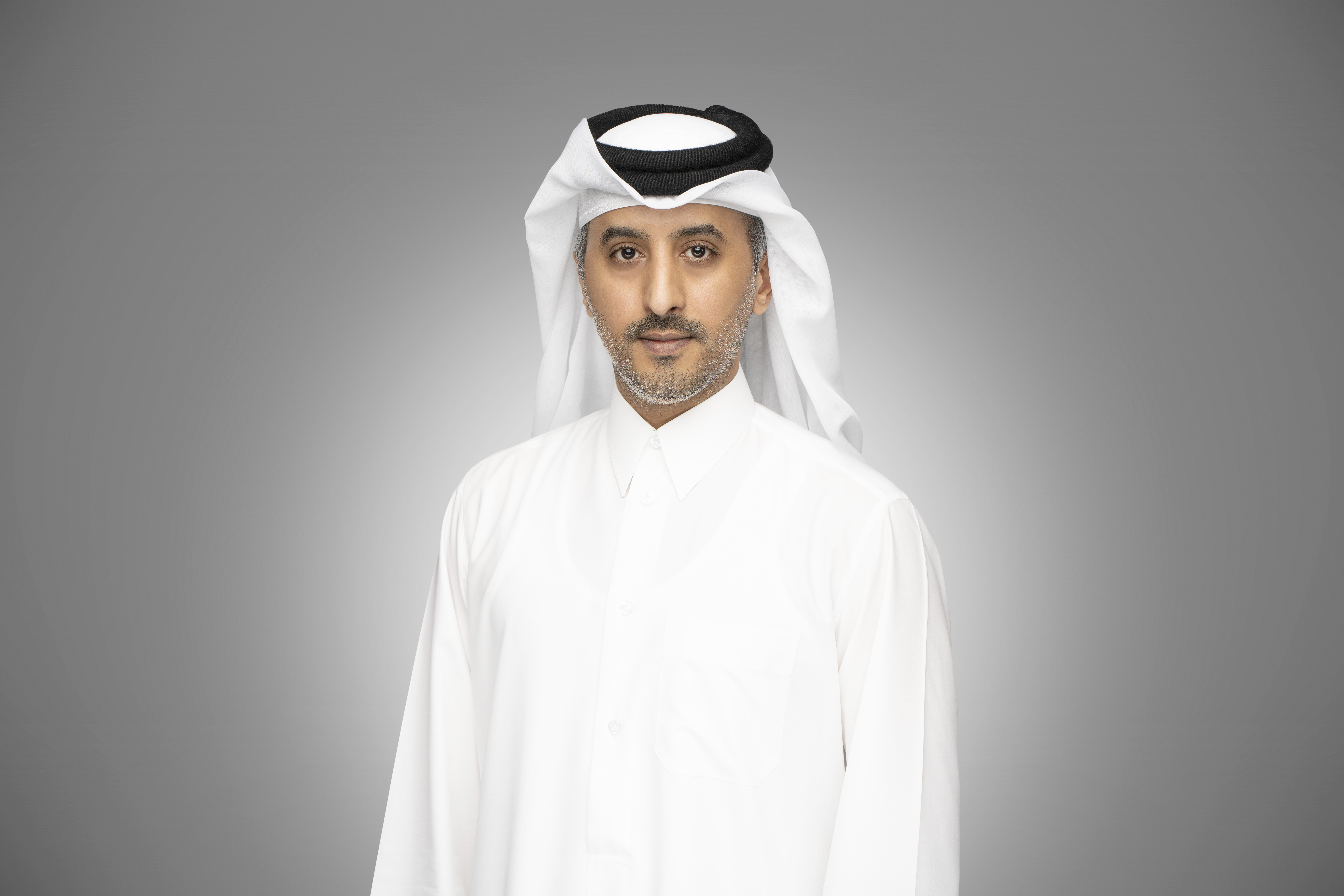
The Ministry of Social Development and Family (MSDF) has launched the e-platform for managing associations and private institutions, as part of its efforts to keep pace with Qatar's digital transformation, enhance user experience and develop the services provided to associations and private institutions registered under Decree-Law No. (21) of 2020 on Associations and Private Institutions. The platform facilitates access to information and services and reflects the Ministry's commitment to providing advanced digital services that meet the needs of all segments of society.
Read more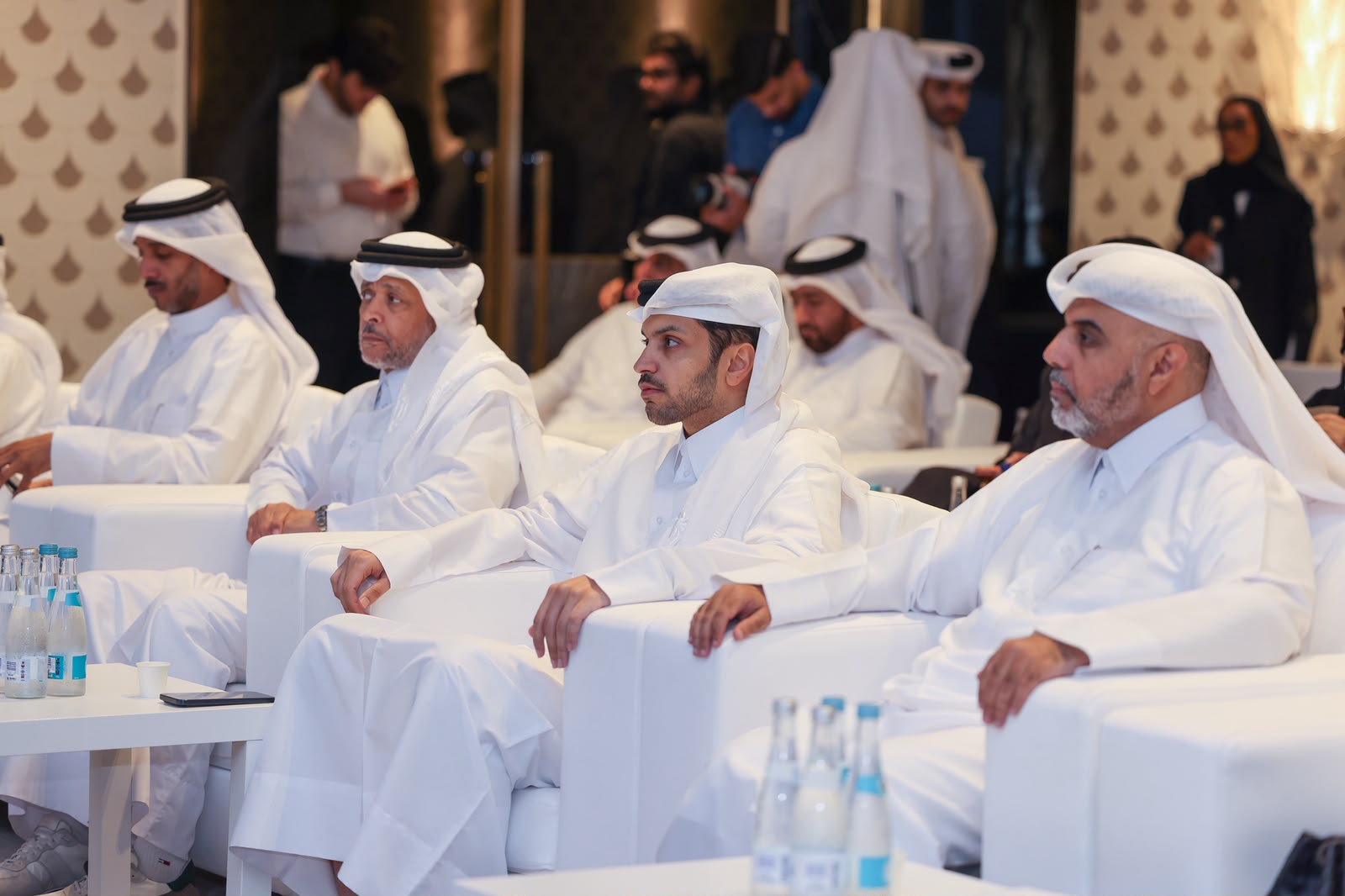
The Ministry of Social Development and Family (MSDF) organized the Third National Forum for Social Workers in the State of Qatar on October 5 and 6, 2026, under the theme "Professional Responsibility and Social Impact." The forum was held under the patronage of H.E. Mrs. Buthaina bint Ali Al Jabr Al Nuaimi, MSDF Minister, with the participation of a select group of experts, specialists and social workers.
Read more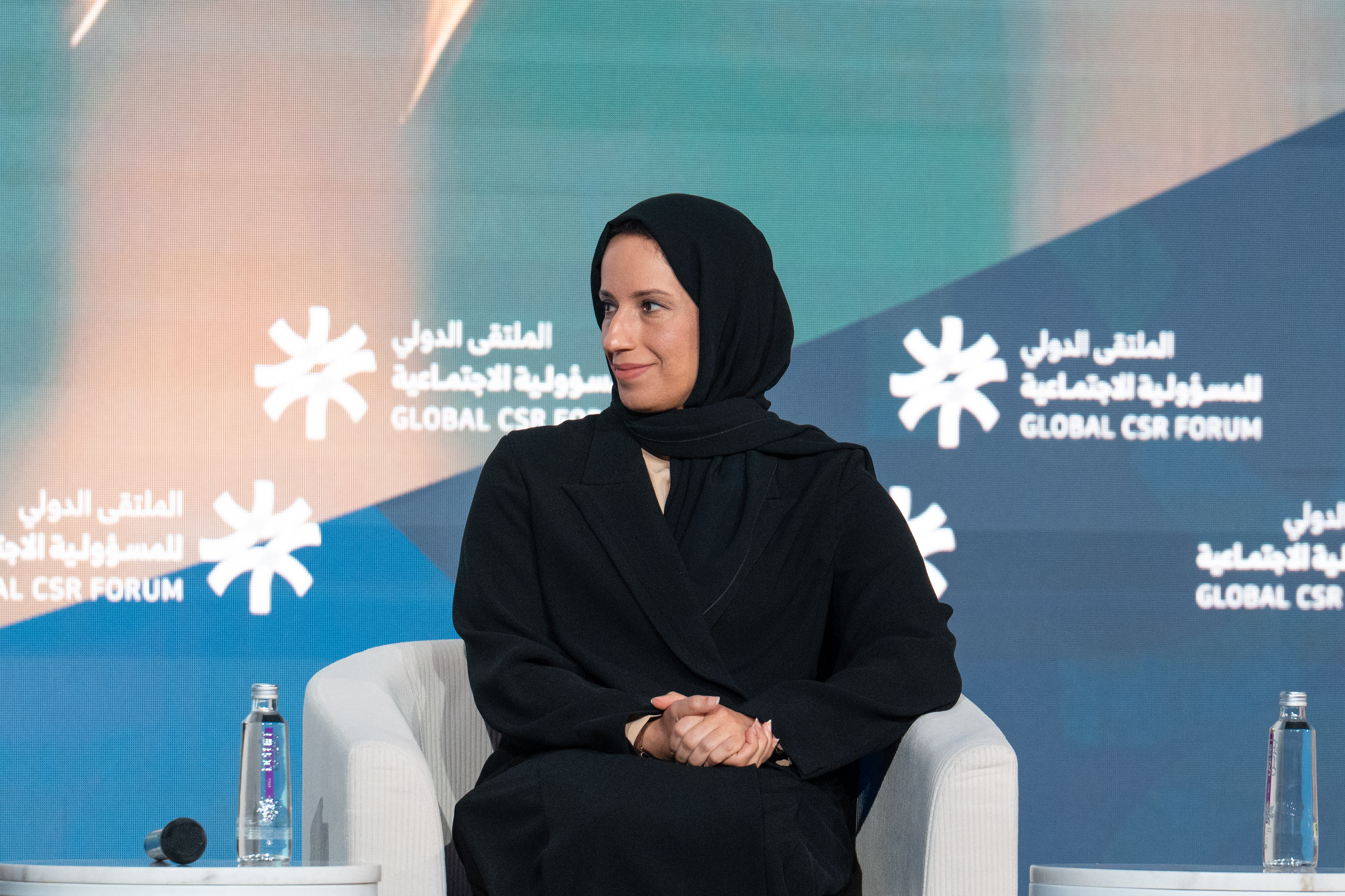
H.E. Mrs. Buthaina bint Ali Al Jabr Al Nuaimi, Minister of Social Development and Family (MSDF Minister), participated in the second edition of the Global CSR Forum, held in Riyadh under the theme "From Commitment to Impact," with the participation of a number of ministers, officials, experts and specialists in the field of corporate social responsibility (CSR).
Read more